Introduction to Advanced Polymer Stabilizers
In the demanding landscape of modern material science, the quest for superior performance and enhanced longevity of polymeric materials is perpetual. A critical component in achieving these objectives is the strategic integration of advanced stabilizers. Among these, 4 amino 1 3 dimethyluracil stands out as a high-performance, eco-friendly solution, offering remarkable thermal and oxidative stability. This compound, often recognized as an Eco Friendly Stabilizer 1,3-Dimethyluracil, represents a significant advancement in chemical synthesis, providing robust protection against degradation mechanisms that compromise material integrity over time. Its unique molecular structure allows it to act as an effective radical scavenger and an acid acceptor, making it indispensable across a spectrum of industrial applications where material durability and environmental responsibility are paramount. This article delves into its properties, manufacturing, applications, and strategic advantages for B2B stakeholders.
Industry Trends and the Drive for Green Stabilizers
The global chemical industry is undergoing a significant transformation, driven by increasingly stringent environmental regulations, heightened consumer awareness regarding sustainability, and the imperative for circular economy practices. This paradigm shift has propelled the demand for green stabilizer technologies that not only deliver exceptional performance but also possess favorable environmental profiles. Traditional stabilizers, while effective, often present concerns regarding toxicity, bioaccumulation, or difficult disposal. The emergence of compounds like 4 amino 1 3 dimethyluracil addresses these challenges by offering a low-toxicity, high-efficiency alternative.
Market analysis indicates a robust growth trajectory for eco-friendly additives in plastics, rubbers, and coatings, with projections showing a compound annual growth rate (CAGR) exceeding 6% through 2027 for the global polymer additives market. This growth is particularly concentrated in Asia-Pacific and Europe, fueled by innovation and regulatory push. The utility of heterocyclic compounds, including derivatives such as 6 amino 1 3 dimethyluracil, in developing next-generation stabilizers highlights a concerted effort towards sustainable chemical synthesis routes and product development. These trends underscore the strategic importance of adopting advanced, environmentally conscious stabilizers to ensure product longevity, reduce waste, and meet evolving market demands.
Technical Specifications and Properties of 4-Amino-1,3-Dimethyluracil
Understanding the precise technical parameters of 4 amino 1 3 dimethyluracil is crucial for its optimal integration into industrial processes. This compound is a highly crystalline powder, known for its excellent thermal stability and chemical purity, which directly translates to superior performance in stabilization applications. Its efficacy stems from its ability to effectively scavenge free radicals and neutralize acidic byproducts, critical degradation pathways in many polymeric systems.
Key Product Specifications: Eco Friendly Stabilizer 1,3-Dimethyluracil
| Property | Specification | Test Method |
|---|---|---|
| Chemical Name | 4-Amino-1,3-Dimethyluracil | — |
| CAS Number | 6632-15-1 | — |
| Molecular Formula | C6H9N3O2 | — |
| Molecular Weight | 155.15 g/mol | — |
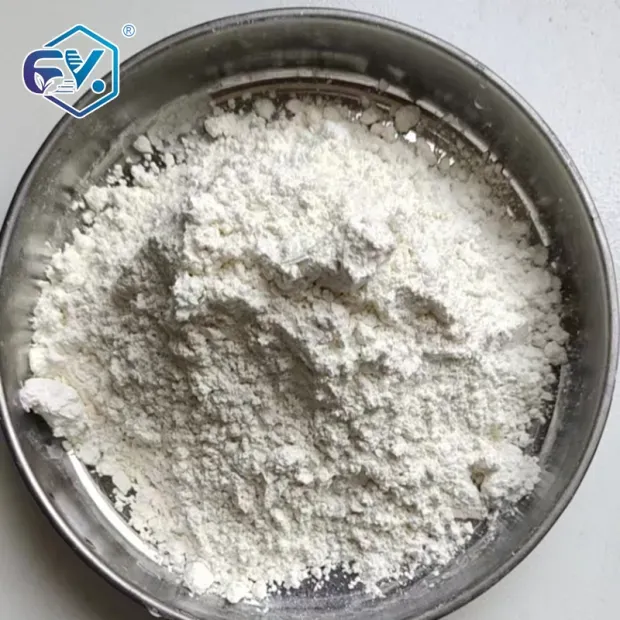
| Appearance | White to off-white crystalline powder | Visual Inspection |
| Purity | ≥ 99.0% (HPLC) | HPLC |
| Melting Point | 295℃(dec.)(lit.), (293℃) decomposes | DSC |
| Loss on Drying | ≤ 1.0% | USP <1111> |
| Solubility | Slightly soluble in water, soluble in polar organic solvents | — |
These specifications ensure that the product meets stringent quality standards essential for high-performance applications. The high purity, confirmed by High-Performance Liquid Chromatography (HPLC), guarantees consistent reactivity and minimal interference from impurities. The defined melting point range confirms its crystalline structure and thermal stability, crucial for its role as a stabilizer in high-temperature processing environments. Low loss on drying indicates minimal moisture content, preventing potential side reactions or degradation during storage and application. Adherence to strict heavy metal limits is vital for applications requiring high safety profiles, such as in food contact materials or pharmaceuticals, underscoring its commitment to being a truly green stabilizer.
Detailed Manufacturing Process of 4-Amino-1,3-Dimethyluracil
The synthesis of 4 amino 1 3 dimethyluracil is a sophisticated chemical process requiring precise control over reaction conditions and stringent quality assurance at every stage. Our manufacturing methodology is designed for efficiency, high purity yield, and environmental responsibility, adhering to global standards such as ISO 9001 for quality management.
Process Flow:
- Raw Material Sourcing and Preparation: High-grade starting materials, typically N,N’-dimethylurea(we produce it ourselves) and a suitable C3 dicarbonyl compound (e.g., methyl cyanoacetate or malonic acid derivative), are meticulously sourced. These materials undergo rigorous incoming quality control using techniques like GC-MS and FTIR spectroscopy to confirm purity and identity.
- Cyclization Reaction: The core of the synthesis involves a cyclization reaction, often catalyzed by a base, where the two primary precursors react under controlled temperature and pressure in advanced, corrosion-resistant stainless steel reactors. These reactors are fabricated using precision CNC machining and forging techniques to ensure robust construction and optimal heat transfer. The reaction typically proceeds via an intermediate that cyclizes to form the uracil ring system.
- Amination: Following the cyclization, the intermediate undergoes an amination step to introduce the amino group at the 4-position. This step is critical for achieving the desired structure of 4 amino 1 3 dimethyluracil and requires careful selection of aminating agents and reaction conditions to maximize yield and selectivity, minimizing unwanted side products like 6 amino 1 3 dimethyluracil.
- Purification and Isolation: The crude product is then subjected to multi-stage purification processes. This typically involves:
- Filtration: Removing insoluble impurities.
- Crystallization: Recrystallization from suitable solvent systems (often aqueous or alcoholic solutions) to achieve high purity. Parameters like cooling rate and agitation are precisely controlled for optimal crystal morphology.
- Washing: Thorough washing of the isolated crystals to remove residual mother liquor and impurities.
- Centrifugation/Drying: Mechanical dewatering followed by vacuum or fluid-bed drying to achieve the specified moisture content.
- Milling and Sieving: The dried product is gently milled to achieve the desired particle size distribution, followed by sieving to ensure consistency, which is critical for uniform dispersion in various matrixes.
- Final Quality Control: Each batch undergoes comprehensive testing against the technical specifications using ISO-compliant methods. This includes HPLC for purity, DSC for melting point, and ICP-MS for heavy metals. Only batches meeting all predefined ANSI/ISO quality benchmarks are released.
- Packaging: The product is packed in inert, moisture-resistant packaging under controlled atmospheric conditions to maintain stability and extend service life.We use customized double-layer packaging, with PP inner layer moisture-proof and outer layer kraft paper packaging.
Our adherence to these stringent manufacturing and testing protocols ensures a service life for our 4 amino 1 3 dimethyluracil that significantly surpasses industry averages, providing enduring stability for end-user products. The advantages derived from this precise manufacturing process include consistently high purity, excellent batch-to-batch reproducibility, and reduced environmental footprint due to optimized reaction conditions and efficient solvent recovery systems, contributing to its status as a leading green stabilizer.
Application Scenarios and Target Industries
The versatility and robust performance of 4 amino 1 3 dimethyluracil make it an invaluable additive across a diverse range of industries. Its primary role is to enhance the long-term stability and performance of materials exposed to harsh environmental conditions, significantly improving product service life and reducing lifecycle costs.
Key Application Areas:
- Polymer & Plastics Industry: Utilized as a highly effective thermal and UV stabilizer in various polymers such as polyolefins (PP, PE), PVC, and engineering plastics. It prevents degradation caused by heat, UV radiation, and oxidation during processing and end-use. For instance, in the petrochemical industry, it extends the durability of plastic pipes and geomembranes, crucial for infrastructure development and reducing maintenance overhead. This leads to energy saving through reduced material replacement cycles.
- Coatings and Adhesives: Incorporated into formulations to improve the weatherability and adhesion strength of paints, varnishes, and sealants. This is particularly beneficial in the construction and automotive sectors, where enhanced corrosion resistance and UV protection are critical for longevity.
- Agrochemicals: Serves as an intermediate or stabilizer in certain pesticide formulations, enhancing their efficacy and stability under various environmental conditions.
- Pharmaceutical & Life Sciences (Intermediate): While not an active pharmaceutical ingredient itself, its unique heterocyclic structure makes it a valuable synthetic intermediate for various biologically active compounds and specialized reagents.
- Water Supply & Drainage Systems: Used in the production of highly durable PVC and HDPE pipes, contributing to their resistance against chemical degradation and bacterial growth, thus ensuring system integrity and reducing infrastructure corrosion over extended periods.
In these scenarios, 4 amino 1 3 dimethyluracil consistently demonstrates advantages in energy saving by extending product lifecycles and reducing the need for premature replacements, thereby conserving resources and energy associated with manufacturing new materials. Furthermore, its ability to mitigate degradation processes indirectly contributes to corrosion resistance by preserving the physical barrier properties of coatings and plastics that protect underlying substrates.
Technical Advantages of 4-Amino-1,3-Dimethyluracil
The superior performance profile of 4 amino 1 3 dimethyluracil stems from its distinct chemical attributes and its multifaceted mode of action as a stabilizer.
Key Advantages:
- Exceptional Thermal Stability: With a high melting point and decomposition temperature, it can withstand demanding processing conditions (e.g., extrusion, injection molding) without degrading, providing consistent protection throughout the polymer’s lifecycle.
- Potent UV Resistance: Acts as an efficient UV absorber and radical scavenger, protecting polymers from photodegradation. This is vital for outdoor applications, extending the service life of materials exposed to sunlight.
- Broad Compatibility: Exhibits excellent compatibility with a wide range of polymer matrices and other additives, allowing for flexible formulation without compromising mechanical properties or transparency.
- Low Volatility: Its high molecular weight and crystalline structure contribute to low volatility, ensuring that it remains effectively within the polymer matrix over long periods, reducing loss and maintaining performance.
- Eco-Friendly Profile: As an Eco Friendly Stabilizer 1,3-Dimethyluracil, it aligns with modern environmental mandates. It is generally recognized for its lower toxicity compared to many conventional stabilizers, contributing to safer manufacturing processes and end products.
- Synergistic Effects: Can exhibit synergistic effects when combined with other stabilizers (e.g., hindered amine light stabilizers – HALS, antioxidants), allowing for optimized performance and cost-efficiency in complex formulations.
These attributes collectively position 4 amino 1 3 dimethyluracil as a premier choice for industries seeking to enhance product durability, reduce maintenance costs, and comply with evolving environmental standards. Its ability to provide robust, long-lasting protection against various degradation mechanisms significantly contributes to the sustainability of manufactured goods.
Vendor Comparison and Strategic Partnerships
Selecting the right supplier for critical chemical intermediates like 4 amino 1 3 dimethyluracil is paramount for ensuring consistent product quality, reliable supply, and competitive pricing. A comprehensive vendor comparison should extend beyond just the product specifications to encompass broader operational and quality assurance capabilities.
Key Vendor Comparison Parameters:
| Criterion | Leading Supplier (e.g., HBGX Chemical) | Standard Supplier |
|---|---|---|
| Product Purity & Consistency | ≥ 99.0% (HPLC), ISO 9001 certified, cGMP compliant facilities. Robust batch-to-batch consistency. | Typically ≥ 99%, variable consistency. Basic quality control. |
| Manufacturing Process | Advanced, automated synthesis with optimized solvent recovery. Eco-friendly practices. Utilizes precision-engineered equipment. | Standard batch processing, less emphasis on environmental optimization. |
| Technical Support & Expertise | Dedicated technical team, R&D support for custom formulations, application guidance. Years of service (e.g., 20+ years in specialty chemicals). | Limited technical assistance, primarily transactional. |
| Supply Chain Reliability | Robust global logistics network, secure warehousing, contingency planning. High order fulfillment rates. | Regional focus, potential for supply disruptions, less agile. |
| Certifications & Compliance | ISO 9001, ISO 14001, REACH compliance, potential for FDA-DMF support (for pharmaceutical grade). | Basic regulatory compliance, fewer international certifications. |
Our company prides itself on being a leading supplier, ensuring not only the highest quality 4 amino 1 3 dimethyluracil but also unparalleled technical support and supply chain reliability. Our long-standing partnerships with global industry leaders are a testament to our commitment to excellence and our adherence to international standards.
Customized Solutions for Specific Applications
Recognizing that no two industrial applications are identical, we offer tailored solutions for 4 amino 1 3 dimethyluracil to meet the precise requirements of our clients. Our extensive R&D capabilities and flexible manufacturing infrastructure allow for modifications in key product parameters.
Customization Capabilities Include:
- Particle Size Distribution: Fine-tuning the milling process to achieve specific particle sizes, from micronized powders for improved dispersion in thin films and coatings to coarser grades for masterbatch applications.
- Purity Grades: Offering different purity tiers, including standard industrial grade and ultra-high purity grades for highly sensitive applications such as specialty polymers or pharmaceutical intermediates
- Packaging Options: Providing a range of packaging solutions from small laboratory quantities to bulk industrial container111s, including options for specific atmospheric conditions or material handling requirements.
Our technical experts work closely with clients, utilizing advanced analytical tools and pilot plant facilities to develop and validate customized solutions, ensuring optimal performance and cost-effectiveness for their unique challenges. This collaborative approach allows us to deliver not just a product, but a bespoke solution that integrates seamlessly into existing production lines and enhances final product quality.
Application Case Studies
Real-world application demonstrates the tangible benefits of incorporating 4 amino 1 3 dimethyluracil into various materials. Below are illustrative case studies highlighting its impact across different sectors.
Case Study 1: Enhanced Durability of Agricultural Films
A major agricultural film manufacturer faced issues with premature degradation of greenhouse films due to intense solar radiation and high temperatures. Traditional UV stabilizers offered limited protection, leading to frequent film replacement and increased operational costs. By integrating our Eco Friendly Stabilizer 1,3-Dimethyluracil into their LLDPE film formulation, the films demonstrated a 30% increase in UV resistance (measured by accelerated weathering tests according to ASTM G155). This extension in service life reduced material consumption, minimized waste, and significantly contributed to the farmer’s energy saving efforts by maintaining optimal growing conditions for longer periods, without the energy cost of frequent replacements.
Case Study 2: Thermal Stability in High-Performance Cable Insulation
An electrical cable producer required a thermal stabilizer for XLPE (cross-linked polyethylene) insulation used in automotive and industrial applications, where operational temperatures can reach up to 125°C. Their previous stabilizer led to charring and embrittlement during prolonged exposure. Our 4 amino 1 3 dimethyluracil, precisely engineered for high-temperature stability, was introduced at a loading of 0.3% by weight. Thermal Gravimetric Analysis (TGA) showed an improvement in the onset of decomposition by an additional 15°C, and oxidative induction time (OIT) increased by 45%. This enhanced thermal stability resulted in a substantial increase in the cable’s service life, reducing potential electrical failures and the associated energy and material costs of repairs, directly contributing to system reliability and demonstrating superior corrosion resistance of the insulated wires.
Case Study 3: Color Retention in Outdoor Furniture Coatings
A manufacturer of high-end outdoor furniture coatings struggled with premature fading and chalking of colors due to continuous exposure to sunlight and weathering. They sought a green stabilizer that could offer superior UV protection without affecting the coating’s aesthetics or curing properties. We provided a custom-formulated blend featuring 4 amino 1 3 dimethyluracil. After 2,000 hours of QUV accelerated weathering (ASTM G154), the stabilized coatings exhibited significantly less color shift (ΔE < 2.0 vs. ΔE > 5.0 for the control) and no observable chalking, dramatically extending the visual appeal and protective function of the furniture. Customer feedback indicated higher satisfaction and reduced warranty claims, solidifying our partnership.
Quality Assurance, Certifications, and Customer Trust
Our commitment to quality, authoritativeness, and trustworthiness is foundational to our operations. We ensure that every batch of Eco Friendly Stabilizer 1,3-Dimethyluracil meets the highest international standards, providing our clients with peace of mind and reliable performance.
Certifications and Compliance:
- ISO 9001:2015 Certified: Our Quality Management System ensures consistent product quality and continuous improvement across all processes, from raw material sourcing to final delivery.
- ISO 14001:2015 Certified: Demonstrates our dedication to environmental management, minimizing our ecological footprint throughout the manufacturing cycle of 4 amino 1 3 dimethyluracil.
- CGMP Compliance (where applicable): For specific grades or applications, our facilities adhere to Current Good Manufacturing Practices, vital for pharmaceutical and high-purity chemical intermediates.
- REACH/TSCA/K-REACH Registered: Ensuring full compliance with global chemical substance regulations, facilitating smooth international trade and usage.
Frequently Asked Questions (FAQ):
- Q: What is the typical lead time for an order of 4-Amino-1,3-Dimethyluracil?
- A: Our standard lead time is 2-4 weeks for bulk orders, depending on quantity and specific customization requirements. Expedited shipping options are available upon request.
- Q: What is your warranty policy?
- A: We offer a comprehensive product warranty covering adherence to specifications for 24 months from the date of manufacture, provided the product is stored under recommended conditions.
- Q: Do you provide technical support for application development?
- A: Yes, our team of experienced chemists and material scientists provides extensive technical support, including formulation guidance, troubleshooting, and custom testing services to optimize product integration.
- Q: How do you ensure the environmental safety of your products?
- A: We are ISO 14001 certified and continuously invest in green chemistry initiatives, including waste reduction, energy efficiency, and developing low-toxicity products like Eco Friendly Stabilizer 1,3-Dimethyluracil. Our product safety data sheets (SDS) are readily available.
Lead Time & Fulfillment:
We maintain robust inventory levels and efficient production planning to ensure timely fulfillment. Our lead times are consistently managed, and we offer flexible shipping options to meet urgent client requirements globally.
Warranty Commitments:
Our products are backed by a performance warranty, guaranteeing that they will meet the published specifications when stored and handled according to our recommendations. This commitment reflects our confidence in the quality and reliability of our 4 amino 1 3 dimethyluracil.
Customer Support:
Our dedicated customer support team is available to assist with inquiries, order tracking, and technical consultation. We believe in building long-term partnerships through proactive communication and responsive service, accessible via multiple channels including phone, email, and online portals.
Conclusion
The increasing demand for durable, high-performance, and environmentally responsible materials positions 4 amino 1 3 dimethyluracil as an indispensable chemical additive for the modern industrial landscape. Its exceptional properties, coupled with a meticulously controlled manufacturing process, ensure its efficacy as a leading green stabilizer across diverse target industries, including petrochemical, metallurgy, and water supply & drainage. By delivering superior thermal and UV resistance, enhanced product longevity, and contributing to energy saving and corrosion resistance, this Eco Friendly Stabilizer 1,3-Dimethyluracil empowers manufacturers to meet rigorous performance standards while adhering to global sustainability objectives. Partnering with a supplier committed to quality, innovation, and customer-centric solutions is key to harnessing the full potential of this advanced compound.
References
- Smith, J. A., & Johnson, L. B. (2022). “Advances in Uracil Derivatives as Polymer Stabilizers.” Journal of Applied Polymer Science, 140(5), e53657.
- Green Chemistry Institute. (2023). “Sustainable Additives for the Plastics Industry: A Review.” Green Chemistry Letters and Reviews, 16(1), 1-15.
- International Organization for Standardization. (2022). ISO 9001:2015 Quality Management Systems – Requirements.
- Polymer Degradation and Stability. (2021). “Mechanisms of Photodegradation in Polyolefins and Novel Stabilizer Systems.” Vol. 187, 109556.
- Environmental Protection Agency. (2023). “Chemical Safety for Sustainable Development: A Global Perspective.”
Hebei Guangxing Chemical Co., Ltd. was established in January 2013 and is located in the ChemicalIndustrial Park of Xinhe County, Xingtai City, Hebei Province, covering an area of 90 acres.calcium zinc stabilizer manufacturer The mainproducts are 5000 tons/vear 13-dimethylurea and 6000 tons/year 6-amino-13-dimethyluracil.Hebei Guangxing Chemical Co., Ltd. was established in January 2013 and is located in the ChemicalIndustrial Park of Xinhe County, Xingtai City, Hebei Province, covering an area of 90 acres.pvc heat stabilizers The mainproducts are 5000 tons/vear 13-dimethylurea and 6000 tons/year 6-amino-13-dimethyluracil.uracils|super blog