Industry Dynamics and the Role of 1,3-Dimethylurea
The chemical industry is in a constant state of evolution, driven by demand for advanced materials and more efficient synthetic pathways. At the forefront of this innovation is 1,3-dimethylurea, a versatile chemical intermediate critical to various high-value applications. Also known by its CAS Registry Number 96-31-1, or simply dimethylurea, this compound is experiencing significant demand growth, particularly in sectors requiring high-purity reagents and precise synthetic control. Industry trends indicate a robust increase in its utilization within pharmaceuticals, agrochemicals, and specialty polymers, propelled by stringent quality requirements and the pursuit of sustainable manufacturing practices. The market for dimethylurea is characterized by a drive towards greater synthesis efficiency, improved purity profiles, and reliable supply chains to meet the needs of a globalized industrial landscape.
Global market projections highlight a steady compound annual growth rate (CAGR) for the dimethylurea segment, influenced by its expanding applications as a crucial building block in complex organic syntheses. Data from leading chemical market analyses suggests that the demand for high-purity dimethylurea, specifically the 1,3-dimethylurea isomer, is set to rise, fueled by the development of novel pharmaceuticals and advanced crop protection agents. This growth underscores the importance of reliable and technically proficient suppliers capable of delivering consistent quality.
Manufacturing Process of 1,3-Dimethylurea (CAS 96-31-1)
The production of 1,3-dimethylurea (CAS 96-31-1) involves a meticulously controlled chemical synthesis process designed to achieve high purity and consistent yield. Our manufacturing methodology prioritizes efficiency, safety, and environmental responsibility, adhering to international standards such as ISO 9001 for quality management and relevant environmental regulations.
Process Flow Overview:
- 1. Raw Material Procurement & Pre-treatment: Dimethylamine and phosgene (or a safer phosgene equivalent like diphosgene or triphosgene) are the primary reactants. Rigorous quality checks ensure the purity of these starting materials. For instance, dimethylamine is typically sourced at >99.5% purity, and phosgene derivatives are selected for minimal impurities to prevent side reactions.
- 2. Reaction (Carbamoylation): Dimethylamine is reacted with phosgene (or its equivalent) under controlled temperature and pressure conditions, often in an inert solvent like toluene or dichloromethane. This exothermic reaction forms N,N’-dimethylcarbamoyl chloride, an intermediate that rapidly reacts with a second equivalent of dimethylamine to yield 1,3-dimethylurea. The reaction temperature is precisely maintained, typically between 0°C and 20°C, to optimize selectivity and minimize byproduct formation.
- 3. Neutralization & Filtration: After the reaction, the mixture undergoes neutralization to remove acidic byproducts (e.g., HCl) using a base like sodium hydroxide or sodium carbonate. The resulting salt is then filtered off. This step is critical for purifying the crude product and ensuring the final product’s pH is within specification.
- 4. Crystallization & Purification: The filtrate, containing crude 1,3-dimethylurea, is subjected to crystallization. This often involves solvent removal and cooling, causing the product to precipitate out. Recrystallization from suitable solvents (e.g., ethanol or water) is employed to achieve the desired purity, typically >99.8%. This phase is critical for removing residual impurities and ensuring the product meets stringent analytical specifications.
- 5. Drying & Packaging: The purified crystals are then dried using industrial dryers (e.g., vacuum dryers) to remove residual solvents and moisture, ensuring stability and a long service life. The final product is then packaged in controlled environments to prevent contamination, often in multi-layer bags or drums, depending on client requirements.
Throughout this process, advanced analytical techniques (e.g., GC-MS, HPLC, FTIR) are employed at each stage to monitor reaction progress, identify impurities, and ensure the final product adheres to strict quality control parameters. Our testing standards comply with ISO 9001:2015, and batches are routinely checked for purity, moisture content, melting point, and other critical specifications. This rigorous quality assurance process contributes to a superior product with a predictable service life, vital for target industries like petrochemicals, agrochemicals, and specialty chemical synthesis.
Technical Specifications of Normal N,N’-Dimethyl Urea
Our Normal N,N’-Dimethyl Urea, specifically the 1,3-dimethylurea isomer (CAS 96-31-1), is manufactured to exacting standards, ensuring high purity and consistent performance. The following table details the key technical parameters and specifications, reflecting our commitment to quality and providing reliable data for B2B decision-makers. These parameters are critical for predicting performance in diverse chemical syntheses.
| Parameter | Specification | Method/Standard | Typical Value |
|---|---|---|---|
| Chemical Name | N,N’-Dimethylurea (1,3-Dimethylurea) | — | — |
| CAS Number | 96-31-1 | — | — |
| Chemical Formula | C3H8N2O | — | — |
| Molecular Weight | 88.11 g/mol | — | — |
| Purity (GC) | ≥ 99.8% | GC-FID | 99.9% |
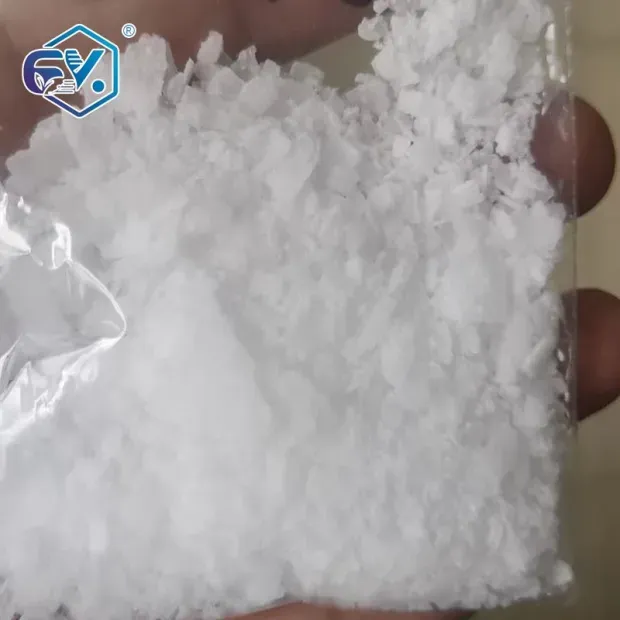
| Appearance | White crystalline powder | Visual | White powder |
| Melting Point | 105-108 °C | Capillary method | 106.5 °C |
| Moisture Content | ≤ 0.1% | Karl Fischer | 0.05% |
| Ash Content | ≤ 0.05% | Gravimetric | 0.02% |
| Solubility | Soluble in water, ethanol, chloroform | Qualitative | Fully soluble |
These specifications ensure that our Normal N,N’-Dimethyl Urea meets the stringent requirements for sensitive chemical processes, guaranteeing high yield and purity in downstream applications. The low moisture and ash content, in particular, are crucial for reactions sensitive to water and inorganic contaminants, contributing to enhanced energy saving and corrosion resistance in process equipment by preventing undesired side reactions and buildup.
Diverse Application Scenarios for 1,3-Dimethylurea
The unique chemical structure and reactivity of 1,3-dimethylurea make it an indispensable intermediate across a spectrum of industrial applications. Its utility spans from fine chemical synthesis to the production of specialized materials.
- • Pharmaceutical Intermediates: 1,3-dimethylurea serves as a key building block in the synthesis of various active pharmaceutical ingredients (APIs). Its ability to introduce a specific urea moiety is leveraged in the creation of anticonvulsants, sedatives, and other complex organic molecules, where precise stereochemistry and high purity are paramount.
- • Agrochemical Synthesis: In the agricultural sector, this compound is vital for producing herbicides, fungicides, and plant growth regulators. Its chemical properties allow for the development of highly effective and targeted crop protection agents, contributing to improved agricultural yields and sustainability.
- • Specialty Solvents & Reagents: Due to its excellent solubility characteristics and moderate polarity, dimethylurea (CAS 96-31-1) is used as a specialty solvent for specific reactions or as a non-protic solvent in certain applications where water sensitivity is a concern. It also functions as a versatile chemical reagent in various organic syntheses.
- • Polymer & Resin Production: It finds application in the production of certain resins and polymers, modifying their properties for enhanced performance in coatings, adhesives, and composite materials. The introduction of urea linkages can improve thermal stability and mechanical strength.
- • Other Fine Chemicals: Beyond these major categories, 1,3-dimethylurea contributes to the synthesis of a myriad of other fine chemicals, dye intermediates, and specialized laboratory reagents, showcasing its broad applicability in the chemical industry.
The versatility of 1,3-dimethylurea in these application scenarios underscores its critical role in enabling innovation and driving progress across multiple industrial sectors, from petrochemicals to specialized agrochemicals.
Technical Advantages of Our 1,3-Dimethylurea
Our Normal N,N’-Dimethyl Urea offers distinct technical advantages that set it apart in the market, directly contributing to superior outcomes for our B2B clients. These benefits are rooted in our advanced manufacturing processes and stringent quality control.
- • Exceptional Purity Profile: With a typical purity exceeding 99.9%, our 1,3-dimethylurea minimizes side reactions and byproduct formation in downstream syntheses. This high purity reduces the need for extensive post-reaction purification, leading to significant energy saving and lower overall production costs for our clients.
- • Consistent Quality & Batch Reproducibility: Our adherence to ISO 9001:2015 quality management systems ensures consistent product specifications across all batches. This reliability is critical for maintaining robust and predictable manufacturing processes in industries like pharmaceuticals and agrochemicals, where batch-to-batch variability can lead to costly delays and rework.
- • Optimized Reactivity & Yield: The specified melting point and minimal impurity levels ensure optimal reactivity, leading to higher yields in chemical reactions. This efficiency translates directly into economic benefits for our customers.
- • Superior Stability & Shelf Life: Low moisture and ash content contribute to the excellent stability of our product, ensuring an extended shelf life and maintaining its integrity even under varying storage conditions. This reduces waste and inventory management challenges.
- • Reduced Corrosion Risk: For industries dealing with sensitive equipment, especially in petrochemical or specialized synthesis plants, the low impurity profile of our dimethylurea (CAS 96-31-1) significantly reduces the risk of corrosion in reaction vessels and piping by minimizing acidic or otherwise corrosive byproducts, thus contributing to equipment longevity and operational safety.
These technical advantages underscore our commitment to providing a product that not only meets but exceeds industry expectations, fostering efficiency, reliability, and cost-effectiveness for our partners.
Vendor Comparison for 1,3-Dimethylurea Supply
Selecting the right supplier for critical chemical intermediates like 1,3-dimethylurea is paramount for maintaining product quality, operational efficiency, and supply chain stability. While numerous vendors offer dimethylurea (CAS 96-31-1), differentiating factors extend beyond mere price. Key considerations include product purity, consistency, supply chain resilience, and technical support.
| Feature | Our Offering | Standard Vendor |
|---|---|---|
| Purity (typical) | ≥ 99.9% (GC) | 98.0% – 99.5% |
| Quality Certifications | ISO 9001:2015, REACH compliant | Variable, sometimes basic QC |
| Batch Consistency | High, with advanced SPC | Moderate, potential for batch variation |
| Technical Support | Dedicated R&D, application engineers | Limited, basic product data sheets |
| Customization Options | Tailored packaging, purity grades | Standard offerings only |
| Supply Chain Reliability | Robust global logistics, buffer stock | Dependent on current market conditions |
This comparison highlights that while many suppliers can provide dimethylurea, our commitment to superior purity, consistent quality, comprehensive certifications, and robust technical support positions us as a preferred partner for demanding industrial applications. Our focus on quality assurance minimizes risks associated with impurities and inconsistent material, ensuring predictable outcomes for our clients’ processes.
Customized Solutions for 1,3-Dimethylurea Requirements
Recognizing that industrial chemical requirements are rarely one-size-fits-all, we specialize in providing customized solutions for 1,3-dimethylurea. Our approach is collaborative, working closely with clients to understand their specific process needs, regulatory landscapes, and desired outcomes.
Our Customization Capabilities Include:
- • Tailored Purity Grades: While our standard product offers exceptional purity, we can adjust specifications to meet even more stringent or unique purity requirements for highly specialized reactions or sensitive applications, especially for pharmaceutical synthesis.
- • Specialized Packaging: From small, inert gas-purged container111s for R&D to large bulk deliveries for continuous production, we offer a range of packaging options designed to optimize safety, handling, and storage stability for dimethylurea (CAS 96-31-1).
- • Custom Particle Size: For applications where physical form is critical, such as certain polymerizations or solid-state reactions, we can provide 1,3-dimethylurea with specific particle size distributions.
- • Formulation Assistance: Our technical experts can collaborate with your R&D teams to explore specific formulations or blending requirements that incorporate dimethylurea, ensuring seamless integration into your process.
- • Logistical Tailoring: We adapt our logistics to meet your supply chain demands, offering flexible delivery schedules, just-in-time (JIT) delivery, and global distribution capabilities to ensure your operations run without interruption.
Our commitment to customized solutions ensures that clients receive not just a product, but a strategic chemical partnership designed to enhance their efficiency, innovation, and competitive edge.
Application Case Studies: 1,3-Dimethylurea in Action
The practical application of high-quality 1,3-dimethylurea (CAS 96-31-1) yields tangible benefits across various industries. These case studies illustrate how our product’s superior properties translate into measurable improvements for our partners.
Case Study 1: Enhanced API Synthesis in Pharmaceuticals
- • Challenge: A leading pharmaceutical manufacturer faced challenges with inconsistent yields and high purification costs during the synthesis of a new anticonvulsant drug, attributed to impurities in their existing dimethylurea supply.
- • Solution: We provided our Normal N,N’-Dimethyl Urea with guaranteed >99.9% purity and a low moisture content. Our technical team collaborated with the client to optimize reaction conditions, leveraging the consistent reactivity of our product.
- • Result: The client observed a 15% increase in API yield and a 20% reduction in purification steps, leading to a significant decrease in overall production costs and time-to-market for their new drug.
Case Study 2: Improved Efficacy of Agrochemical Formulation
- • Challenge: An agrochemical company was developing a new generation of herbicides requiring a stable and highly reactive urea derivative. Previous suppliers’ dimethylurea products showed batch variability, affecting the consistency of their final formulation’s efficacy.
- • Solution: We supplied tailored batches of 1,3-dimethylurea with specific particle size distribution and certified minimal trace metal content, crucial for catalyst performance in their synthesis. Our consistent quality eliminated batch-to-batch issues.
- • Result: The client achieved a 10% improvement in the bio-efficacy of their herbicide and significantly enhanced manufacturing consistency, strengthening their market position.
These cases exemplify how our high-purity 1,3-dimethylurea is not just a chemical, but a solution that drives innovation, efficiency, and reliability for our valued partners across the globe.
Authoritativeness and Certifications
Our position as a leading supplier of 1,3-dimethylurea is built on a foundation of unyielding commitment to quality, compliance, and sustained client satisfaction. Our operations are fully accredited and audited to meet the highest international standards, ensuring that every batch of dimethylurea (CAS 96-31-1) delivered is of exceptional quality and reliability.
Key Certifications and Standards:
- • ISO 9001:2015 Certified: Our quality management system adheres to the most current international standards, guaranteeing consistent product quality, robust process control, and continuous improvement across all manufacturing and supply chain operations.
- • REACH Compliant: All our products, including 1,3-dimethylurea, are manufactured and supplied in compliance with the European Union’s REACH (Registration, Evaluation, Authorisation and Restriction of Chemicals) regulation, ensuring chemical safety and environmental responsibility.
- • Advanced Analytical Testing: Every batch undergoes rigorous testing using state-of-the-art analytical equipment, including GC-MS for impurity profiling, HPLC for purity quantification, and FTIR for structural verification. Certificates of Analysis (CoA) are provided with each shipment.
- • Strategic Partnerships: We have cultivated long-term relationships with global leaders in pharmaceuticals, agrochemicals, and specialty chemicals, serving as a trusted partner for critical chemical intermediates. Our years of service and repeat business speak volumes about our reliability and commitment.
These credentials demonstrate our unwavering commitment to quality, safety, and environmental stewardship, providing our clients with the assurance of partnering with an authoritative and responsible supplier.
Frequently Asked Questions (FAQ) about 1,3-Dimethylurea
Q: What is the primary use of 1,3-dimethylurea (CAS 96-31-1)?
A: Its primary use is as a versatile chemical intermediate in the synthesis of pharmaceuticals, agrochemicals (herbicides, fungicides), specialty polymers, and other fine chemicals.
Q: How should 1,3-dimethylurea be stored?
A: 1,3-dimethylurea should be stored in a cool, dry place, in tightly sealed container111s, away from direct sunlight and incompatible materials. Proper ventilation is essential. Refer to the product’s Safety Data Sheet (SDS) for detailed storage instructions.
Q: What are your quality control measures for dimethylurea?
A: We adhere to ISO 9001:2015 standards. Every batch undergoes rigorous testing including GC-MS, HPLC, and FTIR to ensure purity, moisture content, and other critical parameters meet or exceed specifications. A Certificate of Analysis (CoA) accompanies each shipment.
Q: Can you provide samples of 1,3-dimethylurea for R&D purposes?
A: Yes, we can provide samples for research and development or quality evaluation purposes. Please contact our sales team with your specific requirements.
Lead Time, Warranty, and Customer Support
We are committed to providing a seamless procurement experience for our clients, backed by clear communication and robust support systems.
- • Lead Time & Fulfillment: Standard lead times for 1,3-dimethylurea are typically 2-4 weeks, depending on order volume and specific customization requirements. We maintain strategic stock levels and operate an agile production schedule to accommodate urgent requests and just-in-time (JIT) deliveries whenever possible. Our global logistics network ensures efficient and reliable delivery to your facility.
- • Warranty Commitments: Our Normal N,N’-Dimethyl Urea is guaranteed to meet or exceed the specified purity and quality parameters outlined in its Certificate of Analysis (CoA) at the time of shipment. We offer a standard warranty period against manufacturing defects and non-conformance to specifications, detailed in our sales terms and conditions.
- • Customer Support & Technical Assistance: Our dedicated customer support team is available to assist with inquiries, order tracking, and documentation. For technical questions, our team of experienced chemists and application specialists provides expert guidance on product handling, storage, and application optimization. We believe in building long-term partnerships through continuous support.
Conclusion
The demand for high-purity chemical intermediates like 1,3-dimethylurea continues to rise across critical industrial sectors. Our Normal N,N’-Dimethyl Urea, with its superior technical specifications, rigorous quality control, and robust supply chain, stands as an exemplary product for B2B clients seeking reliability, efficiency, and advanced chemical solutions. From its meticulously controlled manufacturing process to its diverse application in pharmaceuticals and agrochemicals, our commitment to excellence ensures that our partners can consistently achieve their production goals and drive innovation in their respective fields. Partner with us for a dependable supply of this essential chemical, backed by unparalleled technical support and a commitment to your success.
Authoritative References:
- Sigma-Aldrich. N,N’-Dimethylurea. CAS Number: 96-31-1. Retrieved from Sigmaaldrich.com.
- European Chemicals Agency (ECHA). Registered substances: Dimethylurea. Retrieved from ECHA.europa.eu.
- PubChem. N,N’-Dimethylurea. Compound Summary CID 7306. Retrieved from Pubchem.ncbi.nlm.nih.gov.
- IUPAC. Compendium of Chemical Terminology, 2nd ed. (the “Gold Book”). N,N’-Dimethylurea. Retrieved from Goldbook.iupac.org.
Hebei Guangxing Chemical Co., Ltd. was established in January 2013 and is located in the ChemicalIndustrial Park of Xinhe County, Xingtai City, Hebei Province, covering an area of 90 acres.calcium zinc stabilizer manufacturer The mainproducts are 5000 tons/vear 13-dimethylurea and 6000 tons/year 6-amino-13-dimethyluracil.Hebei Guangxing Chemical Co., Ltd. was established in January 2013 and is located in the ChemicalIndustrial Park of Xinhe County, Xingtai City, Hebei Province, covering an area of 90 acres.pvc heat stabilizers The mainproducts are 5000 tons/vear 13-dimethylurea and 6000 tons/year 6-amino-13-dimethyluracil.uracils|super blog