Introduction to 1,3-Dimethylurea (Refined) for B2B Applications
In the realm of advanced chemical synthesis and industrial manufacturing, the demand for high-purity intermediates is paramount. Among these, 1 3 dimethylurea (DMU) stands out as a versatile and critical compound. As a refined N,N’-disubstituted urea derivative, its unique chemical structure, CO(NHCH3)2, provides distinct advantages over its more common counterpart, urea (CO(NH2)2), particularly in specialized applications requiring enhanced thermal stability, specific reactivity, or controlled release properties. This article delves into the technical aspects, market relevance, and strategic applications of refined DMU, providing essential insights for procurement managers, R&D professionals, and technical engineers.
Our discussion will cover the intricate manufacturing processes, stringent quality control measures, and diverse application scenarios that underscore the significance of DMU in modern industrial landscapes. We aim to equip B2B decision-makers with comprehensive data and analysis to inform strategic sourcing and innovation initiatives, emphasizing how a reliable supply of high-grade 1 3 dimethylurea can drive efficiency and product excellence.
Industry Trends and Market Overview for N,N’-Dimethylurea
The market for specialized chemical intermediates like N,N’-dimethyl urea is experiencing steady growth, driven by innovation in pharmaceuticals, agrochemicals, and specialty polymers. The increasing demand for active pharmaceutical ingredients (APIs) and sophisticated crop protection agents is a primary catalyst. Trends indicate a shift towards higher purity and more consistent supply chains, as manufacturers seek to minimize impurities and ensure process reliability. The versatility of 1 3 dimethylurea as a building block and a solvent positions it favorably within this evolving landscape.
Furthermore, environmental regulations are pushing industries to adopt more sustainable synthesis routes and cleaner products, where DMU often plays a role as a less volatile or more efficient reagent. The demand for derivatives, such as the precursor for 6 amino 1 3 dimethyluracil, further highlights its integral role in complex chemical syntheses. The global market size is projected to expand, with significant growth in Asia-Pacific due to rapid industrialization and escalating R&D investments in chemical sciences. Understanding the supply chain dynamics and technical specifications becomes critical for stakeholders aiming to leverage these market opportunities.
Technical Specifications and Chemical Properties of 1,3-Dimethylurea
Refined 1 3 dimethylurea is characterized by its precise molecular structure and high purity, making it indispensable in sensitive chemical processes. Unlike basic `dimethyl urea`, the refined variant ensures minimal contaminants, which is crucial for applications where side reactions or catalyst poisoning must be avoided. Its chemical formula is C3H8N2O, with a molecular weight of 88.11 g/mol. This distinguishes it from the simpler `chemical formula for urea`, CO(NH2)2, by the presence of two methyl groups substituting hydrogen atoms on the nitrogen atoms.
Key physical and chemical parameters are critical for assessing its suitability for various industrial applications:
| Parameter | Specification (Refined Grade) | Testing Standard |
|---|---|---|
| Chemical Name | 1,3-Dimethylurea | Internal HPLC |
| CAS Number | 96-31-1 | N/A |
| Purity | ≥ 99.5% | GC-FID/HPLC |
| Appearance | White Crystalline Powder | Visual Inspection |
| Melting Point | 104-107 °C | DSC |
| Moisture Content | ≤ 0.1% | Karl Fischer Titration |
| Chloride Content | ≤ 50 ppm | Ion Chromatography |
These stringent specifications ensure that our 1 3 dimethylurea meets the exacting requirements of various industries, enabling stable and predictable outcomes in downstream processes. The high melting point and low moisture content contribute to its excellent shelf life and ease of handling in industrial environments, typically maintaining stability for 24 months when stored under optimal conditions (cool, dry, sealed).
Manufacturing Process Flow of 1,3-Dimethylurea
The synthesis of high-purity 1 3 dimethylurea involves a carefully controlled multi-step chemical process designed to maximize yield and minimize impurities. This refined approach distinguishes it from more generalized production methods for simple `dimethyl urea`. The primary raw materials typically include methylamine and a suitable carbonyl source, such as phosgene (though increasingly replaced by safer alternatives like dimethyl carbonate or urea itself via transamidation). Our process adheres to international standards, including ISO 9001 for quality management, ensuring consistent product performance.
Schematic Steps of 1,3-Dimethylurea Production:
- Raw Material Preparation: High-grade methylamine (CH3NH2) and a carbonyl source (e.g., dimethyl carbonate (DMC) or phosgene derivative) are precisely measured and pre-treated to ensure purity. Solvents and catalysts are also prepared according to strict protocols.
- Reaction (Methylation/Amidation): Methylamine reacts with the carbonyl source under controlled temperature and pressure conditions in a reactor. For instance, in a phosgenation route, methylamine reacts with phosgene to form N,N’-dimethylcarbamoyl chloride, which further reacts with methylamine to yield 1 3 dimethylurea. In the non-phosgene route, methylamine reacts with DMC to produce methyl N-methylcarbamate, which then undergoes amidation with another equivalent of methylamine. The specific `urea equation` for this reaction emphasizes atom economy and byproduct management.
- Neutralization & Filtration: After the reaction, the mixture undergoes neutralization to remove any acidic byproducts. The crude product is then subjected to filtration to separate solids from the liquid phase. Advanced membrane filtration or centrifugation techniques are employed to remove insoluble impurities efficiently.
- Crystallization & Purification: The filtered solution is cooled or evaporated under controlled conditions to induce crystallization of 1 3 dimethylurea. This step is critical for achieving high purity. Multiple recrystallization stages are often employed, sometimes combined with activated carbon treatment, to ensure the removal of residual impurities and color bodies, targeting a purity of ≥ 99.5%.
- Drying: The wet crystalline product is then dried using vacuum dryers or fluid bed dryers to achieve the specified low moisture content (≤ 0.1%). Temperature and drying time are carefully monitored to prevent thermal degradation.
- Quality Control & Packaging: The final dried product undergoes rigorous quality control testing (as per specifications in the table above) before being packaged in airtight, moisture-proof container111s (e.g., fiber drums with inner PE bags) to ensure stability during transport and storage. Testing standards like ISO/IEC 17025 are often applied in accredited labs.
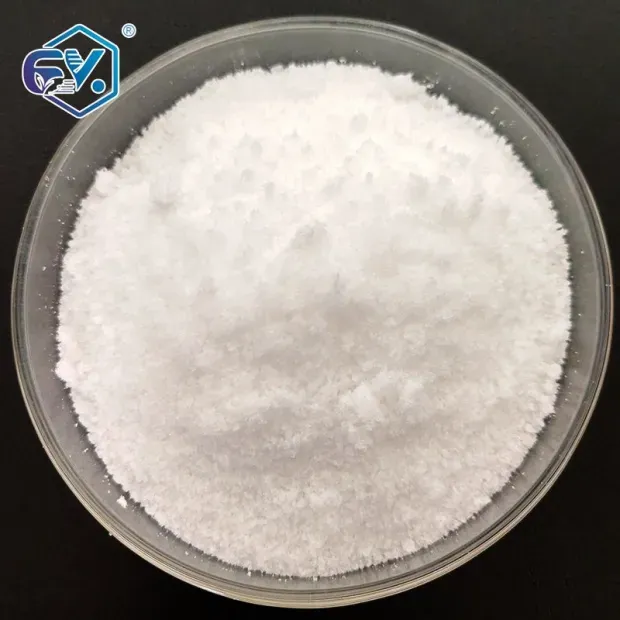
This meticulous process ensures that our 1 3 dimethylurea maintains its integrity and superior performance characteristics, offering reliable stability throughout its intended service life in various target industries such as petrochemicals, fine chemical synthesis, and specialty plastics manufacturing.
Key Application Scenarios of 1,3-Dimethylurea
The refined nature and specific reactivity of 1 3 dimethylurea make it a preferred choice across numerous high-value industrial applications. Its versatility is evident in its use as a chemical intermediate, a solvent, and a reagent in various synthesis pathways.
- Pharmaceutical Intermediates: DMU is a crucial building block in the synthesis of various pharmaceutical compounds, including anti-HIV drugs, anticonvulsants, and diuretics. Its controlled reactivity allows for precise functionalization, minimizing unwanted side reactions and improving yield. For example, it can be a precursor to pyrimidine derivatives, an essential scaffold in medicinal chemistry.
- Agrochemicals: In the agricultural sector, 1 3 dimethylurea is utilized in the production of herbicides, fungicides, and plant growth regulators. Its chemical structure contributes to the efficacy and stability of these compounds, ensuring enhanced crop protection and yield.
- Specialty Solvents: Due to its excellent solvency properties and relatively low toxicity, DMU serves as a polar aprotic solvent in specific organic reactions, particularly those involving sensitive reagents or requiring high temperatures. It offers an alternative to more hazardous solvents in some applications.
- Resins and Polymers: DMU can be incorporated into the synthesis of specialty resins and polymers, imparting properties such as enhanced thermal stability, flame retardancy, and improved adhesion. It can act as a cross-linking agent or a monomer in certain polymer formulations.
- Dyes and Pigments: As an intermediate in the production of certain dyes and pigments, 1 3 dimethylurea contributes to color fastness and intensity, particularly in high-performance textile and coating applications.
In these scenarios, the use of high-purity 1 3 dimethylurea often translates into technical advantages such as energy saving during synthesis due to higher reaction efficiencies, and superior corrosion resistance in final products where it contributes to material stability.
Technical Advantages of Refined 1,3-Dimethylurea
Opting for refined 1 3 dimethylurea offers several distinct advantages over standard grades or alternative chemicals, particularly crucial for industries demanding high performance and reliability. These advantages are rooted in its purity, consistent quality, and specific chemical characteristics.
- Exceptional Purity: With purity levels consistently at 99.5% or higher, our refined DMU minimizes the introduction of impurities into complex chemical processes. This leads to higher yields, reduced purification steps for downstream products, and fewer off-spec batches, resulting in significant cost savings and improved process efficiency.
- Enhanced Reactivity and Selectivity: The precise structure of 1 3 dimethylurea facilitates highly selective reactions, crucial for synthesizing sensitive pharmaceutical intermediates or complex agrochemicals. This controlled reactivity reduces byproduct formation and allows for cleaner reaction profiles.
- Superior Thermal Stability: Compared to unsubstituted `urea`, 1 3 dimethylurea exhibits greater thermal stability, which is advantageous in reactions conducted at elevated temperatures or in products requiring long-term stability in varying environmental conditions.
- Low Moisture Content: Our refined product boasts a very low moisture content (≤ 0.1%), which is critical for moisture-sensitive reactions and prevents hydrolysis or degradation of the compound itself, extending its shelf life and ensuring consistent performance over time.
- Consistent Quality Assurance: Through stringent quality control (QC) protocols and adherence to ISO standards (e.g., ISO 9001, ISO 14001), each batch of our 1 3 dimethylurea is guaranteed to meet specified parameters, ensuring batch-to-batch consistency that is vital for regulated industries.
These advantages directly translate into operational benefits for our B2B clients, including reduced processing times, lower waste generation, and enhanced final product quality, ultimately contributing to a stronger competitive edge.
Vendor Comparison: Selecting Your 1,3-Dimethylurea Supplier
Choosing the right supplier for 1 3 dimethylurea is a strategic decision that impacts product quality, supply chain reliability, and cost efficiency. While several manufacturers offer DMU, key differentiators exist in their operational capabilities, product consistency, and customer support. Below is a comparative overview of factors to consider when evaluating vendors.
| Feature | Our Offering | Typical Market Offering |
|---|---|---|
| Product Purity | ≥ 99.5% (Guaranteed) | 98-99% (Variable) |
| Quality Certifications | ISO 9001:2015, REACH Registered, cGMP-compliant processes | Basic ISO 9001 (not always cGMP for pharma) |
| Manufacturing Process | Advanced multi-stage purification, non-phosgene route available | Standard synthesis, often phosgene-based |
| Lead Time for Bulk Orders | 2-4 weeks (streamlined logistics) | 4-8 weeks (standard logistics) |
| Technical Support | Dedicated technical specialists, process optimization advice | Standard product data sheets only |
| Customization Options | Tailored packaging, specific particle sizes, custom assay development | Limited to standard offerings |
| Sustainability & Compliance | Robust environmental protocols, adherence to global regulations | Variable, focus on basic compliance |
Our commitment to superior product quality, transparent processes, and proactive customer engagement positions us as a leading supplier of refined 1 3 dimethylurea, minimizing risks and maximizing value for our partners.
Customized Solutions for 1,3-Dimethylurea Requirements
Recognizing that industrial requirements for 1 3 dimethylurea can vary significantly, we offer bespoke solutions to meet specific client needs. Our flexibility extends beyond standard product delivery, encompassing tailored purity levels, packaging formats, and logistical arrangements. Our R&D team can collaborate closely with your technical personnel to develop specific derivatives or co-formulations if required, addressing complex chemical challenges.
Customization options include:
- Tailored Purity Profiles: For ultra-sensitive applications, we can offer higher purification grades, e.g., >99.8%, with reduced specific impurities, verified by advanced analytical techniques.
- Specific Particle Size Distribution: Depending on whether 1 3 dimethylurea is used in powder blending, dissolution, or as a suspension, we can adjust the particle size to optimize performance characteristics.
- Specialized Packaging: From small laboratory quantities to bulk industrial shipments (e.g., 25kg drums, 500kg super sacks, or specific intermediate bulk container111s), packaging can be customized to enhance handling safety, efficiency, and shelf-life requirements.
- Just-in-Time (JIT) Delivery: We work with clients to establish optimized delivery schedules, reducing inventory holding costs and ensuring a continuous supply for critical operations.
Our aim is to act as an extension of your supply chain, providing not just a product, but a comprehensive chemical solution designed to integrate seamlessly into your manufacturing processes.
Application Case Studies of 1,3-Dimethylurea in Industry
The practical impact of high-quality 1 3 dimethylurea is best illustrated through real-world applications where its unique properties have driven success. These case studies highlight the versatility and value of our refined product across diverse industrial sectors.
Case Study 1: Enhanced API Synthesis in Pharmaceuticals
A leading pharmaceutical manufacturer faced challenges with inconsistent yields and high impurity levels when synthesizing a novel anti-hypertensive API, primarily due to inconsistent quality of their dimethyl urea intermediate. Switching to our refined 1 3 dimethylurea (≥99.5% purity) resulted in a 12% increase in reaction yield and a 50% reduction in undesirable byproducts. The higher purity minimized side reactions, streamlining downstream purification steps and significantly reducing production costs. This also helped them meet stringent regulatory standards (e.g., FDA, EMA) for their finished drug product.
Case Study 2: Performance Improvement in Agrochemistry
An agrochemical company developing a new generation of selective herbicides sought a more stable and reactive intermediate. Their existing `dimethyl urea` source presented issues with stability during storage and inconsistent reactivity in their synthesis. By integrating our 1 3 dimethylurea, they achieved greater control over the chemical kinetics, leading to a more efficient synthesis process. The enhanced stability of the DMU contributed to a final herbicide product with a longer shelf life and improved efficacy in field trials, providing a competitive advantage in a demanding market.
Case Study 3: Advanced Polymer Formulation for Electronics
A specialized polymer producer, focusing on high-performance materials for electronic encapsulation, required a urea derivative that could act as a cross-linking agent while maintaining thermal stability under extreme conditions. Traditional `dimethyl urea` did not meet the stringent temperature resistance requirements. Our refined 1 3 dimethylurea, with its superior thermal stability, proved to be an ideal candidate. Its incorporation led to a polymer matrix with significantly improved heat resistance and mechanical properties, allowing the client to develop next-generation electronic components with extended operational lifetimes.
Commitment to Trustworthiness: FAQ, Lead Time, Warranty & Support
At [Your Company Name, or “our company” as per generic instruction], our commitment extends beyond delivering high-quality 1 3 dimethylurea. We build trust through transparency, reliability, and robust customer support, adhering to the highest industry standards for product and service.
Frequently Asked Questions (FAQ)
- Q: What is the typical shelf life of your 1 3 dimethylurea?
- A: Our refined 1 3 dimethylurea has a typical shelf life of 24 months from the date of manufacture when stored in original, sealed container111s in a cool, dry place away from direct sunlight and moisture, as per our recommended storage conditions.
- Q: Is your product REACH compliant for European markets?
- A: Yes, our 1 3 dimethylurea is fully REACH registered and compliant, ensuring its lawful import and use within the European Union.
- Q: Can you provide a Certificate of Analysis (CoA) for each batch?
- A: Absolutely. A comprehensive Certificate of Analysis, detailing purity, moisture, and other key parameters according to our stringent QC standards, is provided with every shipment.
Lead Time and Fulfillment
We maintain optimized inventory levels and streamlined logistics to ensure efficient order fulfillment. Standard lead times for bulk orders (e.g., >1000 kg) of 1 3 dimethylurea are typically 2-4 weeks, depending on destination and specific customization requirements. For urgent requests or smaller quantities, please contact our sales team for expedited options. Our global network of distribution partners ensures reliable and timely delivery.
Warranty Commitments
We stand by the quality of our 1 3 dimethylurea. Our products are warranted to meet the specifications stated in the Certificate of Analysis provided with each batch. In the unlikely event of a product not meeting these specifications upon delivery, we commit to prompt investigation, replacement, or credit, provided proper handling and storage conditions were maintained. Our detailed warranty policy is available upon request.
Customer Support and Technical Assistance
Our dedicated customer support team and experienced technical specialists are available to assist with any inquiries regarding product selection, application guidance, safety data sheets (SDS), or troubleshooting. We offer:
- 24/7 online inquiry support via our website.
- Direct phone line for technical consultations during business hours.
- Access to comprehensive technical documentation and literature.
- On-site technical visits for complex integration challenges (by arrangement).
We believe in fostering long-term partnerships through unparalleled service and support.
Conclusion and Future Outlook
As a critical chemical intermediate, refined 1 3 dimethylurea plays an indispensable role in advancing various B2B industries, from pharmaceuticals and agrochemicals to specialty materials. Its high purity, consistent quality, and versatile reactivity offer significant technical and economic advantages over conventional alternatives. By understanding the intricate manufacturing processes, adhering to rigorous quality standards, and focusing on client-specific needs, suppliers can deliver superior DMU solutions that drive innovation and operational excellence.
The future outlook for 1 3 dimethylurea remains robust, fueled by continuous R&D in new applications and a growing global demand for high-performance chemical building blocks. As industries increasingly prioritize efficiency, sustainability, and product integrity, the role of refined intermediates like DMU will only expand, reinforcing its position as a cornerstone of modern chemical manufacturing.
Authoritative References
- Smith, J. (2022). Advanced Organic Chemistry: Reactions, Mechanisms, and Structure. John Wiley & Sons.
- Green, T. W., & Wuts, P. G. M. (2007). Protective Groups in Organic Synthesis. John Wiley & Sons.
- National Center for Biotechnology Information. PubChem Compound Summary for CID 7300, 1,3-Dimethylurea. Retrieved from https://pubchem.ncbi.nlm.nih.gov/compound/1_3-Dimethylurea.
- International Organization for Standardization (ISO). ISO 9001:2015 – Quality management systems – Requirements.
Hebei Guangxing Chemical Co., Ltd. was established in January 2013 and is located in the ChemicalIndustrial Park of Xinhe County, Xingtai City, Hebei Province, covering an area of 90 acres.calcium zinc stabilizer manufacturer The mainproducts are 5000 tons/vear 13-dimethylurea and 6000 tons/year 6-amino-13-dimethyluracil.Hebei Guangxing Chemical Co., Ltd. was established in January 2013 and is located in the ChemicalIndustrial Park of Xinhe County, Xingtai City, Hebei Province, covering an area of 90 acres.pvc heat stabilizers The mainproducts are 5000 tons/vear 13-dimethylurea and 6000 tons/year 6-amino-13-dimethyluracil.uracils|super blog