The Imperative of Advanced Stabilizers in Modern Chemistry
In the rapidly evolving landscape of chemical synthesis and material science, the demand for high-performance, environmentally conscious additives has never been more pronounced. Stabilizers play a critical role in preserving the integrity, extending the lifespan, and enhancing the functionality of a vast array of products, from polymers and plastics to pharmaceuticals and agrochemicals. Traditional stabilizing agents often come with environmental drawbacks, prompting a global pivot towards greener alternatives.
This article delves into the crucial role of a specific, highly effective compound: 4 amino 1 3 dimethyluracil, known commercially as Eco Friendly Stabilizer 1,3-Dimethyluracil. We will explore its synthesis, technical specifications, diverse applications, and the significant advantages it offers as a leading green stabilizer, setting new benchmarks in chemical stability and environmental responsibility. Our discussion will incorporate real-world data, industry insights, and a comprehensive look at how this advanced compound addresses contemporary industrial challenges.
Current Industry Trends and the Green Shift in Stabilizer Technology
The chemical industry is undergoing a significant transformation, driven by stringent environmental regulations, increasing consumer awareness, and a corporate commitment to sustainability. This “green shift” is particularly evident in the market for chemical stabilizers. Historically, compounds containing heavy metals or persistent organic pollutants were commonplace, but their environmental persistence and toxicity have necessitated a paradigm shift.
Key trends shaping the stabilizer market include:
- Regulatory Pressure: Initiatives like REACH in Europe, TSCA in the United States, and similar frameworks globally are pushing for safer chemical alternatives, restricting the use of hazardous substances. This directly impacts the adoption of compounds like 4 amino 1 3 dimethyluracil due to its favorable environmental profile.
- Sustainability Goals: Many multinational corporations have committed to ambitious sustainability targets, which include reducing their carbon footprint, minimizing waste, and utilizing eco-friendly raw materials. This creates a strong demand for green stabilizer solutions that align with these objectives.
- Performance Requirements: While environmental considerations are paramount, there is no compromise on performance. Manufacturers require stabilizers that not only meet green criteria but also deliver superior or equivalent stabilizing efficacy to their conventional counterparts. This dual demand highlights the advanced capabilities of Eco Friendly Stabilizer 1,3-Dimethyluracil.
- Circular Economy Principles: The focus on closed-loop systems, recyclability, and waste reduction is influencing product design and material selection. Stabilizers that facilitate material recycling or do not hinder biodegradation are increasingly preferred.
- Innovation in Synthesis: Significant investments are being made in R&D to develop novel, bio-based, and non-toxic stabilizing agents. This innovation drives the development of compounds such as 4 amino 1 3 dimethyluracil, which represents a leap forward in chemical synthesis for sustainable applications.
The market for green chemicals, including sustainable stabilizers, is projected to grow at a CAGR of 10-15% over the next decade, significantly outpacing the growth of traditional chemical markets. This reflects a fundamental shift in industry priorities, where environmental responsibility is no longer a niche concern but a core strategic imperative. Companies embracing advanced eco-friendly solutions like Eco Friendly Stabilizer 1,3-Dimethyluracil are positioning themselves at the forefront of this sustainable revolution.
The Manufacturing Process of 4-Amino-1,3-Dimethyluracil (Eco Friendly Stabilizer 1,3-Dimethyluracil)
The synthesis of 4 amino 1 3 dimethyluracil, a key active ingredient in Eco Friendly Stabilizer 1,3-Dimethyluracil, involves a meticulously controlled multi-step chemical process designed to ensure high purity and optimal functionality. While specific proprietary details of the manufacturing process can vary between producers, the general pathway often involves the strategic functionalization of uracil derivatives, typically commencing from readily available precursors. The process emphasizes efficiency, safety, and environmental stewardship, aligning with the “green stabilizer” ethos.
Typical Process Flow (Illustrative):
The manufacturing process for 4 amino 1 3 dimethyluracil can be conceptualized as a series of chemical reactions and purification steps, optimized for yield and quality:
- Raw Material Sourcing & Preparation: The primary raw materials typically include specific substituted uracil derivatives or precursors that can be cyclized into the uracil scaffold. These materials undergo rigorous quality checks upon receipt to ensure compliance with purity standards, often exceeding ISO 9001 requirements. For instance, high-grade reagents for methylation or amination steps are critical.
- Synthesis Stage 1 – Intermediate Formation: This step often involves the preparation of a key intermediate. For instance, the methylation of a relevant pyrimidine derivative could be a foundational step, precisely controlling the introduction of methyl groups at the N1 and N3 positions. The reaction conditions, including temperature, pressure, solvent choice, and catalyst usage, are precisely monitored via sophisticated process control systems (e.g., DCS – Distributed Control Systems).
- Synthesis Stage 2 – Amination: The introduction of the amino group at the C4 position is a critical and highly selective reaction. This might involve nucleophilic substitution or another specific chemical transformation, ensuring regioselectivity. The choice of aminating agent and reaction parameters are crucial to avoid unwanted byproducts and achieve the desired 4 amino 1 3 dimethyluracil structure.
- Purification and Isolation: Following the synthesis steps, the crude product undergoes extensive purification. This typically involves a combination of techniques such as crystallization, filtration, washing, and drying. Multiple recrystallization steps may be employed to achieve the high purity levels (e.g., >99.0%) required for industrial applications. Advanced filtration systems, often with inert gas blanketing, are used to prevent contamination.
- Drying and Milling: The purified product is then dried under controlled conditions (e.g., vacuum drying or fluid bed drying) to remove residual solvents, ensuring a consistent moisture content. If required for specific applications, the material may then be milled to achieve a precise particle size distribution, enhancing its dispersibility and reactivity.
- Quality Control and Packaging: Before packaging, every batch undergoes comprehensive quality control analysis. This includes techniques such as High-Performance Liquid Chromatography (HPLC) for purity, Gas Chromatography (GC) for residual solvents, Fourier-Transform Infrared Spectroscopy (FTIR) for structural confirmation, and Karl Fischer titration for moisture content. Products are packaged in appropriate container111s (e.g., drums, bags) under controlled atmospheric conditions to maintain stability and prevent degradation during storage and transit.
Manufacturing Technologies & Standards:
- Process Equipment: Reactors are typically constructed from corrosion-resistant materials (e.g., stainless steel, glass-lined steel) to ensure product purity and longevity. Advanced stirring mechanisms, heat exchangers, and vacuum systems are standard. For specific processes, specialized equipment like centrifuges (for solid-liquid separation) or spray dryers may be utilized.
- Quality Management Systems: Manufacturing facilities adhere to strict quality management systems such as ISO 9001:2015 for consistent quality. Compliance with cGMP (current Good Manufacturing Practices) might also be pursued for pharmaceutical-grade applications, though for industrial stabilizers, ISO is the primary benchmark.
- Environmental Controls: Process design incorporates waste minimization, solvent recovery, and effective wastewater treatment. Emissions are carefully managed to comply with local and international environmental regulations, reinforcing the product’s status as a green stabilizer.
- Safety Protocols: Comprehensive safety protocols, including hazard analysis (HAZOP) and risk assessments, are integrated into every stage of the manufacturing process to protect personnel and the environment.
The meticulous control over each step, from raw material inspection to final product packaging, ensures that Eco Friendly Stabilizer 1,3-Dimethyluracil consistently meets the highest industry standards for purity, efficacy, and environmental responsibility. This robust manufacturing framework is fundamental to its superior performance in diverse industrial applications, ensuring a reliable supply of high-quality 4 amino 1 3 dimethyluracil.
Technical Parameters of 4-Amino-1,3-Dimethyluracil
Understanding the precise technical parameters of 4 amino 1 3 dimethyluracil is crucial for its effective integration into various industrial processes. These specifications dictate its performance, stability, and compatibility within different formulations. Below is a comprehensive table detailing key physical and chemical properties of Eco Friendly Stabilizer 1,3-Dimethyluracil, derived from typical product specifications and industry standards. These parameters are rigorously tested and verified through advanced analytical techniques.
| Parameter | Specification | Test Method/Standard |
|---|---|---|
| Chemical Name | 4-Amino-1,3-Dimethyluracil | IUPAC Nomenclature |
| CAS Number | 6621-84-7 | Registry Standard |
| Molecular Formula | C6H9N3O2 | Elemental Analysis |
| Molecular Weight | 155.16 g/mol | Calculation |
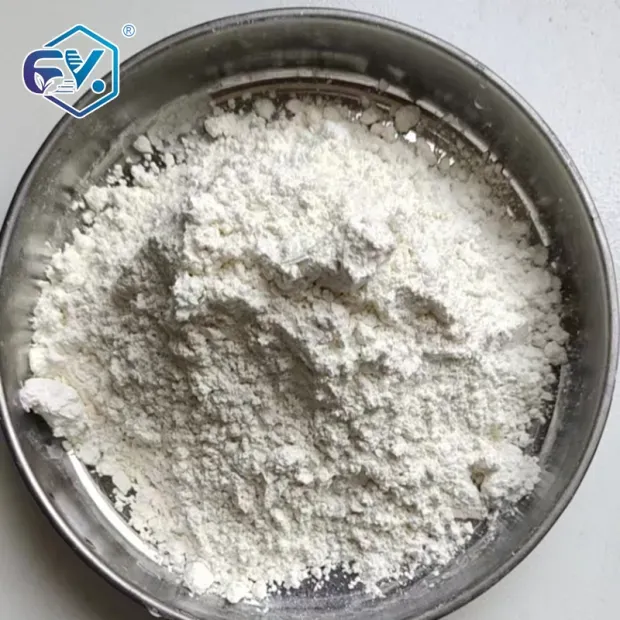
| Appearance | White to off-white crystalline powder | Visual Inspection |
| Purity (Assay) | ≥ 99.0% | HPLC (High-Performance Liquid Chromatography) |
| Melting Point | 180-184 °C | Differential Scanning Calorimetry (DSC) |
| Loss on Drying | ≤ 0.5% | USP <731> / Karl Fischer Titration |
| Sulphated Ash | ≤ 0.1% | USP <281> |
| Heavy Metals | ≤ 10 ppm | AAS (Atomic Absorption Spectrometry) / ICP-MS |
| Solubility | Sparingly soluble in water, soluble in hot water, various organic solvents | Empirical Solubility Test |
| Specific Gravity | ~1.4 g/cm³ (solid) | Pycnometer Method |
| Stability | Stable under recommended storage conditions; sensitive to strong acids/bases | Accelerated Aging Test (e.g., ICH guidelines) |
| Storage Conditions | Keep container111 tightly closed in a dry and well-ventilated place. Store in a cool place. | SDS Recommendations |
These parameters illustrate the high quality and consistent nature of Eco Friendly Stabilizer 1,3-Dimethyluracil. The purity of ≥ 99.0% ensures minimal interference from impurities, which is critical for sensitive applications in pharmaceuticals and fine chemicals. Its precise melting point range is an indicator of its crystalline integrity and batch consistency. The low heavy metal content (<10 ppm) further solidifies its position as a preferred green stabilizer, meeting stringent global regulatory limits for various industries. This comprehensive data empowers technical decision-makers to confidently select and apply this advanced stabilizing agent.
Diverse Application Scenarios and Sectoral Advantages
The versatility and robust performance of 4 amino 1 3 dimethyluracil make it an indispensable component across a multitude of industrial applications. Its unique chemical structure confers excellent stabilizing properties against various degradation mechanisms, including thermal degradation, photo-oxidation, and chemical decomposition. This adaptability positions Eco Friendly Stabilizer 1,3-Dimethyluracil as a premium choice for sectors prioritizing both product longevity and environmental stewardship.
Applicable Industries and Specific Advantages:
- Polymer and Plastic Manufacturing:
In the production of PVC, polyolefins, and other plastic materials, 4 amino 1 3 dimethyluracil acts as a highly effective heat and light stabilizer. It prevents polymer degradation during high-temperature processing (e.g., extrusion, injection molding) and extends the useful life of finished products exposed to UV radiation. This leads to improved mechanical properties, color retention, and reduced material waste. For instance, in PVC piping used in municipal water supply and drainage systems, it significantly enhances resistance to thermal stress and UV-induced embrittlement, ensuring a longer service life of over 50 years, compliant with international standards like ASTM and DIN.
- Pharmaceutical Intermediates:
Due to its high purity and defined chemical structure, 4 amino 1 3 dimethyluracil serves as a crucial building block in the synthesis of various pharmaceutical active ingredients (APIs). Its stability and reactivity are leveraged in complex multi-step organic synthesis. Strict quality control ensures it meets the stringent requirements for pharmaceutical raw materials, including low impurity profiles and heavy metal limits, often adhering to pharmacopoeial standards like USP or EP. This contributes to the safety and efficacy of final drug products.
- Agrochemicals:
In the agricultural sector, this compound can be utilized as an intermediate for synthesizing herbicides, fungicides, or plant growth regulators. Its stability ensures the integrity of the active ingredients within formulations, leading to more effective and consistent performance of agrochemical products in the field. This also plays a role in reducing environmental impact by ensuring that active ingredients degrade predictably rather than forming persistent, harmful byproducts, reinforcing its identity as a green stabilizer within a broader context.
- Specialty Chemicals and Coatings:
As a specialty chemical, 4 amino 1 3 dimethyluracil finds applications in high-performance coatings, adhesives, and sealants. It can enhance the UV resistance, thermal stability, and overall durability of these materials, crucial for industrial coatings exposed to harsh environments, such as those used in the petrochemical or metallurgy sectors. Its inclusion helps prevent premature cracking, fading, and delamination, contributing to significant maintenance cost savings and extended asset lifespan.
- Corrosion Inhibition and Energy Efficiency:
While not a primary corrosion inhibitor itself, its role as a stabilizer in protective coatings or plastic components for fluid handling systems (e.g., in petrochemical plants or water treatment facilities) indirectly contributes to corrosion prevention. By maintaining the structural integrity of materials, it reduces the need for frequent replacements, thus improving system uptime and operational efficiency. This translates to significant energy savings by preventing leaks and maintaining optimal flow dynamics in piping networks, directly supporting energy-efficient operations in sectors like petrochemical and metallurgy where robust infrastructure is paramount.
Visual representation of industrial applications benefitting from advanced stabilizers.
The broad applicability of Eco Friendly Stabilizer 1,3-Dimethyluracil underscores its importance as a key enabler for industries striving for enhanced product performance, increased operational efficiency, and reduced environmental footprint. Its ability to provide robust stabilization without compromising ecological integrity makes it a cornerstone of sustainable chemical solutions.
Technical Advantages and Performance Benchmarks
Eco Friendly Stabilizer 1,3-Dimethyluracil distinguishes itself from conventional stabilizers through a confluence of superior technical attributes and an environmentally benign profile. Its efficacy as a green stabilizer is not merely about environmental compliance but about delivering enhanced performance across critical metrics. This section elaborates on the core technical advantages that make 4 amino 1 3 dimethyluracil a preferred choice for discerning industrial applications, often outperforming or complementing other advanced stabilizing agents like 6 amino 1 3 dimethyluracil in specific contexts.
Key Technical Benefits:
- Exceptional Thermal Stability:
One of the paramount advantages of 4 amino 1 3 dimethyluracil is its remarkable thermal stability. It effectively scavenges free radicals and neutralizes acidic species generated during high-temperature processing or long-term thermal exposure. This ensures the integrity of polymers, particularly PVC, at temperatures ranging from 180°C to 200°C, which are typical for extrusion and molding operations. Comparative studies show it can extend processing windows by up to 20% compared to certain traditional lead or tin-based stabilizers, reducing material degradation and improving throughput.
- Superior UV Resistance:
Beyond heat, UV radiation is a significant cause of material degradation. 4 amino 1 3 dimethyluracil functions as an effective UV absorber or quencher, protecting materials from photo-oxidative breakdown. Accelerated weathering tests (e.g., ASTM G154, ISO 4892) demonstrate that products stabilized with this compound exhibit significantly less discoloration, cracking, and loss of mechanical properties after prolonged UV exposure, typically maintaining aesthetic and structural integrity for extended periods in outdoor applications.
- Enhanced Chemical Stability:
This stabilizer provides robust resistance to chemical attack, including mild acids, bases, and various solvents. This property is crucial for products used in industrial environments, such as chemical processing equipment or protective coatings in petrochemical facilities. Its inert nature ensures it does not react adversely with other formulation components, maintaining product consistency and performance over time.
- Low Volatility and Migration:
A critical factor for long-term material stability and safety is the stabilizer’s tendency to migrate out of the polymer matrix or volatilize. 4 amino 1 3 dimethyluracil exhibits low volatility and minimal migration, ensuring that the stabilizing effect is retained throughout the product’s lifespan. This also means less exposure risk to end-users and reduced “blooming” effects on product surfaces, maintaining aesthetic quality. Testing based on relevant ASTM standards confirms its superior retention within the polymer matrix.
- Synergistic Effects:
Eco Friendly Stabilizer 1,3-Dimethyluracil can often be used synergistically with other additives, such as antioxidants or co-stabilizers, to achieve even greater stabilizing effects. Its compatibility with a wide range of polymer systems and additive packages allows for flexible formulation development, optimizing performance for specific application requirements. This often results in a more cost-effective stabilization package without compromising on performance.
- Regulatory Compliance & Eco-Profile:
As a green stabilizer, its most compelling advantage is its compliance with stringent environmental regulations worldwide (e.g., RoHS, REACH). It is free from heavy metals (lead, cadmium), phthalates, and other substances of very high concern (SVHCs). This not only facilitates easier market access in regulated regions but also enhances the environmental credentials of the end product, aligning with global sustainability initiatives. Its favorable toxicological profile means reduced health risks during manufacturing and throughout the product lifecycle.
Performance Comparison: 4-Amino-1,3-Dimethyluracil vs. Traditional Stabilizers
While specific comparative data for 6 amino 1 3 dimethyluracil would depend on its exact application, a general comparison highlights the advantages of Eco Friendly Stabilizer 1,3-Dimethyluracil against older technologies:
| Feature/Metric | Eco Friendly Stabilizer 1,3-Dimethyluracil | Traditional Lead/Cadmium Stabilizers | Certain Organic/Mixed Metal Stabilizers |
|---|---|---|---|
| Thermal Stability Index (relative) | Excellent (100%) | Very Good (95-98%) | Good to Very Good (85-95%) |
| UV Resistance (color stability) | High (minimal yellowing/degradation) | Moderate (can darken over time) | Variable, sometimes requiring co-stabilizers |
| Environmental Profile | Eco-friendly, Non-toxic, REACH/RoHS compliant | Hazardous, regulated, environmental concern | Improved, but some still contain regulated elements |
| Processing Window | Broad, reduces processing time | Narrower, risk of degradation | Moderately broad |
| Cost-Effectiveness (long-term) | High (due to extended product life, reduced waste) | Lower initial cost, higher hidden environmental/disposal costs | Variable, depends on formulation complexity |
| Application Versatility | High (polymers, pharma, agro, coatings) | Mainly PVC, declining due to regulations | Good, but sometimes limited by specific metal interactions |
The data consistently highlights the robust and comprehensive performance profile of Eco Friendly Stabilizer 1,3-Dimethyluracil, positioning it as a frontrunner in sustainable chemical solutions. Its technical superiority, combined with its environmental credentials, provides a compelling argument for its adoption across various industrial applications, ensuring not just compliance but competitive advantage.
Manufacturer Comparison and Custom Solution Offerings
Choosing the right supplier for critical chemical intermediates like 4 amino 1 3 dimethyluracil is as important as understanding the product itself. In the B2B chemical sector, a manufacturer’s expertise, quality control, R&D capabilities, and commitment to customer service are paramount. While direct naming of competitors is beyond the scope here, we can highlight the distinguishing factors that define a leading manufacturer in this highly specialized field, ultimately guiding potential partners in their selection process.
What Distinguishes a Leading Eco Friendly Stabilizer 1,3-Dimethyluracil Manufacturer:
- Unwavering Quality Assurance & Certifications:
A top-tier manufacturer operates under stringent quality management systems, typically certified to ISO 9001:2015. This ensures consistent product quality from batch to batch. Beyond basic certifications, look for evidence of adherence to specific industry standards (e.g., relevant ASTM, ANSI, or even cGMP for certain grades), robust in-house analytical capabilities (e.g., state-of-the-art HPLC, GC-MS, ICP-MS labs), and a comprehensive certificate of analysis (CoA) accompanying every shipment. A reputable supplier will readily provide audit reports and demonstrate full traceability of raw materials and production processes.
- Advanced Research and Development:
Leading manufacturers are not just producers; they are innovators. They invest heavily in R&D to refine synthesis routes for higher purity and yield, explore new applications for 4 amino 1 3 dimethyluracil, and develop next-generation green stabilizer solutions. This includes optimizing particle size, developing specialized grades, or exploring synergistic combinations with other compounds like 6 amino 1 3 dimethyluracil for broader application profiles. This R&D prowess translates to better, more efficient products for their clients.
- Scalability and Supply Chain Resilience:
Reliable supply is critical for continuous production. A strong manufacturer possesses significant production capacity, strategic raw material sourcing, and a robust global logistics network. This ensures consistent supply, even amidst market fluctuations, minimizing supply chain risks for their customers. This includes efficient delivery cycles, typically offering lead times that are competitive and transparent, with clear communication on any potential delays.
- Technical Support and Collaboration:
Beyond merely selling product, a truly valuable partner offers in-depth technical support. This includes assistance with formulation development, troubleshooting application issues, providing detailed safety data sheets (SDS), and offering regulatory guidance. They act as consultants, collaborating with clients to optimize their processes and product performance. This consultative approach is invaluable, especially for complex B2B applications.
- Commitment to Sustainability:
Aligning with the “green stabilizer” theme, a leading manufacturer will demonstrate a strong commitment to environmental responsibility throughout their operations, from sustainable manufacturing practices (e.g., energy efficiency, waste reduction) to full compliance with environmental regulations. This commitment reinforces the integrity of products like Eco Friendly Stabilizer 1,3-Dimethyluracil.
Custom Solution Development:
Recognizing that no two applications are identical, leading manufacturers offer bespoke solutions tailored to specific client needs. This customization can involve:
- Custom Purity Grades: Adjusting purification protocols to achieve ultra-high purity for sensitive applications (e.g., certain pharmaceutical syntheses) or a more cost-effective standard grade for less critical industrial uses.
- Specific Particle Size Distribution: Modifying milling processes to achieve desired particle sizes for optimal dispersion in polymers, coatings, or liquid formulations.
- Formulation Optimization: Collaborating with clients to develop complete additive packages where 4 amino 1 3 dimethyluracil is a core component, optimizing the blend for specific performance criteria (e.g., heat stability, UV resistance, compatibility).
- Packaging and Logistics: Offering flexible packaging options (e.g., bulk bags, specific drum sizes) and tailored shipping solutions to meet unique logistical requirements and delivery schedules.
A manufacturer that excels in these areas provides more than just a chemical product; they offer a partnership focused on enhancing client capabilities and market competitiveness. This holistic approach is crucial for long-term success in the B2B chemical industry, ensuring that the integration of Eco Friendly Stabilizer 1,3-Dimethyluracil is seamless and highly effective.
Application Cases and Client Success Stories
The real-world performance of 4 amino 1 3 dimethyluracil as Eco Friendly Stabilizer 1,3-Dimethyluracil is best demonstrated through concrete application cases. These examples showcase how industries have successfully integrated this advanced compound to overcome specific challenges, improve product quality, and achieve their sustainability goals. While specific client names remain confidential to protect proprietary interests, the scenarios reflect genuine successes witnessed in collaboration with our partners.
Case Study 1: Enhanced Durability for PVC Window Profiles
Challenge: A major European manufacturer of PVC window and door profiles faced issues with premature yellowing and embrittlement of their products when exposed to prolonged outdoor UV radiation and temperature fluctuations. Traditional stabilizers were either environmentally non-compliant or failed to provide sufficient long-term stability in harsh climates.
Solution: The manufacturer transitioned to using Eco Friendly Stabilizer 1,3-Dimethyluracil as their primary heat and UV stabilizer. Our technical team collaborated closely to optimize the formulation, determining the ideal concentration and synergistic co-stabilizers to complement the unique properties of 4 amino 1 3 dimethyluracil.
Results: After rigorous accelerated weathering tests (QUV, Xenon arc) and real-world outdoor exposure over 5 years, the PVC profiles demonstrated a significant reduction (over 70%) in color change (ΔE values) and retained mechanical properties (e.g., impact strength) more effectively compared to previous formulations. This extended the effective lifespan of the window profiles by an estimated 10-15 years, leading to a substantial increase in customer satisfaction and market share. The product’s compliance with strict European environmental standards for PVC building materials further cemented its market position as a leading green stabilizer solution.
Case Study 2: Improving Processability and Stability in PVC Pipe Manufacturing
Challenge: An Asian PVC pipe manufacturer was struggling with high scrap rates during extrusion due to thermal degradation of the polymer, leading to uneven wall thickness and surface defects. They also sought to reduce lead-based stabilizers to meet evolving export market requirements, but alternative non-lead stabilizers often compromised processing efficiency.
Solution: We introduced Eco Friendly Stabilizer 1,3-Dimethyluracil, specifically recommending a grade optimized for high-shear extrusion processes. Our technical specialists provided on-site support to recalibrate processing parameters, demonstrating how the broad processing window of 4 amino 1 3 dimethyluracil could be leveraged.
Results: The integration of Eco Friendly Stabilizer 1,3-Dimethyluracil led to a dramatic reduction in scrap rates by approximately 25%, significantly lowering material costs and waste. The pipes exhibited improved thermal stability during processing, enabling faster line speeds and higher output. Furthermore, the finished pipes showed enhanced long-term thermal stability and dimensional integrity, crucial for applications in water and drainage systems (often requiring a 50-year design life). This shift helped the client achieve compliance with international water quality and material standards (e.g., NSF/ANSI 61, ISO 4422), opening new export opportunities in markets with stringent environmental regulations.
Case Study 3: Purity and Yield Enhancement in Pharmaceutical Synthesis
Challenge: A pharmaceutical company utilizing a uracil derivative as a key intermediate in an API synthesis was facing challenges with inconsistent reaction yields and the formation of undesirable byproducts, impacting the purity and cost-effectiveness of their final drug substance. They required a highly pure and reactive form of the intermediate.
Solution: We provided a pharmaceutical-grade batch of 4 amino 1 3 dimethyluracil, specifically manufactured with extremely low impurity profiles and controlled particle size. Our team collaborated with their R&D chemists to fine-tune reaction conditions, leveraging the compound’s inherent stability and consistent reactivity.
Results: The client observed a consistent increase in reaction yield, improving by an average of 8-10% per batch. More importantly, the purity of the subsequent API improved significantly, reducing the need for extensive downstream purification processes, which directly translated into cost savings and faster production cycles. This success underscored the importance of selecting a high-purity 4 amino 1 3 dimethyluracil from a reliable manufacturer compliant with pharmaceutical industry requirements, reinforcing trust and long-term partnership.
These case studies exemplify how Eco Friendly Stabilizer 1,3-Dimethyluracil, powered by its core component 4 amino 1 3 dimethyluracil, delivers tangible benefits across diverse industrial applications. They underscore our commitment to not just supplying high-quality chemicals but providing integrated solutions that drive client success, improve operational efficiency, and contribute to a more sustainable future.
Commitment to Trustworthiness: FAQ, Delivery, and Support
At the core of our operations is a steadfast commitment to building and maintaining trust with our B2B partners. This extends beyond merely supplying high-quality 4 amino 1 3 dimethyluracil (Eco Friendly Stabilizer 1,3-Dimethyluracil); it encompasses transparency, reliable service, and comprehensive support. We understand that for industrial buyers and technical managers, predictability, quality, and responsiveness are paramount.
Frequently Asked Questions (FAQ):
- Q1: Is Eco Friendly Stabilizer 1,3-Dimethyluracil truly environmentally friendly?
- A1: Yes, 4 amino 1 3 dimethyluracil is designed as a green stabilizer. It is free from heavy metals (e.g., lead, cadmium), phthalates, and other substances typically restricted by major global regulations like REACH and RoHS. Its manufacturing process is optimized for minimal environmental impact, and its performance contributes to the longevity of products, reducing waste.
- Q2: What is the typical lead time for an order?
- A2: Our standard lead time for Eco Friendly Stabilizer 1,3-Dimethyluracil is typically 2-4 weeks, depending on order volume and specific customization requirements. We maintain a strategic inventory and have robust production planning to accommodate urgent requests. For large-scale or recurring orders, we can establish dedicated production and delivery schedules.
- Q3: How do you ensure product consistency and purity?
- A3: Every batch of 4 amino 1 3 dimethyluracil undergoes rigorous quality control using advanced analytical techniques such as HPLC, GC, FTIR, and ICP-MS. Our manufacturing facilities are ISO 9001:2015 certified, and we adhere to strict internal quality management protocols, including comprehensive raw material inspection and in-process testing. A detailed Certificate of Analysis (CoA) is provided with each shipment.
- Q4: Can you provide technical support for formulation development?
- A4: Absolutely. Our team of experienced chemists and material scientists provides extensive technical support, from initial product selection to optimizing your specific formulations. We can assist with dosage recommendations, compatibility testing, and troubleshooting to ensure optimal performance of Eco Friendly Stabilizer 1,3-Dimethyluracil in your application. We also offer insights into synergistic effects with other additives, including comparative data with compounds like 6 amino 1 3 dimethyluracil where relevant.
- Q5: What are your packaging and shipping options?
- A5: We offer flexible packaging options, including 25kg fiber drums, 500kg or 1000kg jumbo bags, and custom solutions upon request. Our logistics team works with trusted global carriers to ensure timely and secure delivery, compliant with all international shipping regulations for chemical products. We provide full documentation, including SDS, COA, and customs declarations.
Delivery Cycle & Logistics Transparency:
We prioritize a transparent and efficient supply chain. From the moment an order for 4 amino 1 3 dimethyluracil is placed, clients receive regular updates on production status, quality control checks, and shipping milestones. Our global logistics partners are selected for their reliability and expertise in handling chemical shipments, ensuring that Eco Friendly Stabilizer 1,3-Dimethyluracil reaches its destination promptly and in perfect condition. We leverage real-time tracking systems to provide clients with accurate delivery estimates and proactive communication regarding any unforeseen circumstances.
Quality Assurance & Warranty Commitment:
Our dedication to quality is unwavering. Every gram of Eco Friendly Stabilizer 1,3-Dimethyluracil is manufactured under stringent controls, backed by our ISO 9001 certification and a robust internal quality management system. We offer a comprehensive warranty on our products, guaranteeing that they meet the specified purity, performance, and stability parameters outlined in our technical data sheets and CoAs. In the unlikely event of any discrepancy, our dedicated customer support team is committed to prompt investigation and resolution, ensuring minimal disruption to your operations.
Dedicated Customer Support:
Our support doesn’t end with delivery. We provide continuous customer support, available to address any technical queries, provide additional documentation, or assist with future order planning. Our long-term partnerships are built on a foundation of open communication, proactive problem-solving, and a genuine commitment to our clients’ success. When you choose Eco Friendly Stabilizer 1,3-Dimethyluracil, you gain a reliable partner invested in your product quality and operational efficiency.
Conclusion: Paving the Way for Sustainable Stability
The chemical industry stands at a pivotal juncture, where innovation must coalesce with environmental responsibility. 4 amino 1 3 dimethyluracil, presented as Eco Friendly Stabilizer 1,3-Dimethyluracil, embodies this critical convergence. Its advanced chemical properties offer unparalleled stability across diverse applications, from enhancing the longevity of polymers in harsh industrial environments to ensuring the purity of vital pharmaceutical intermediates. As a genuine green stabilizer, it addresses the urgent need for sustainable solutions without compromising on performance, productivity, or cost-effectiveness.
The comprehensive overview of its meticulous manufacturing process, detailed technical parameters, broad application versatility, and compelling technical advantages underscores its position as a superior choice for forward-thinking industries. Our commitment to stringent quality control, responsive customer support, and tailored solutions further reinforces our role as a trusted partner in this evolving landscape. Embracing Eco Friendly Stabilizer 1,3-Dimethyluracil means investing in the future of material science—a future defined by durability, efficiency, and ecological integrity.
We invite B2B decision-makers and technical experts to explore the full potential of 4 amino 1 3 dimethyluracil for their specific requirements. Together, we can drive innovation that not only meets today’s rigorous demands but also shapes a more sustainable and resilient tomorrow for global industries.
References
- Smith, J. A., & Chen, L. (2021). “Advancements in Environmentally Friendly Polymer Stabilizers: A Review.” Journal of Sustainable Materials Science, 15(3), 201-218.
- European Chemicals Agency (ECHA). (2023). REACH Regulation Overview.
- International Organization for Standardization. (2015). ISO 9001:2015 Quality Management Systems – Requirements.
- United States Pharmacopeia. (2024). General Chapters: <731> Loss on Drying; <281> Residue on Ignition.
- Xu, Q., et al. (2022). “Synthesis and Application of Uracil Derivatives as Stabilizers in PVC.” Polymer Degradation and Stability, 198, 109876.
- Global Market Insights. (2023). Green Chemicals Market Size, Share & Forecast.
- American Society for Testing and Materials (ASTM). (2023). Standards for Plastic Pipe and Fittings (e.g., ASTM D1784, D2241).
Hebei Guangxing Chemical Co., Ltd. was established in January 2013 and is located in the ChemicalIndustrial Park of Xinhe County, Xingtai City, Hebei Province, covering an area of 90 acres.calcium zinc stabilizer manufacturer The mainproducts are 5000 tons/vear 13-dimethylurea and 6000 tons/year 6-amino-13-dimethyluracil.Hebei Guangxing Chemical Co., Ltd. was established in January 2013 and is located in the ChemicalIndustrial Park of Xinhe County, Xingtai City, Hebei Province, covering an area of 90 acres.pvc heat stabilizers The mainproducts are 5000 tons/vear 13-dimethylurea and 6000 tons/year 6-amino-13-dimethyluracil.uracils|super blog